Aktualisierte 2 Monate vor
Einzelhandels-Kaffeebeutel: Leichtes und kurierfreundliches Verpackungsdesign

ypak.coffee
DIE YPAK PACKAGING GROUP wurde gegründet in 2011 und gebildet mit 3 Unternehmen mit Sitz in Hongkong, Dongguan und Foshan. Wir sind zu einem der größten Hersteller von Kaffeesäcken in China geworden. Wir verwenden die besten WIPF-Ventile aus der Schweiz, um Ihren Kaffee frisch zu halten.
Halte dich an die Plastikverbotspolitik ein, die in vielen verschiedenen Ländern verhängt wurde, Wir haben nachhaltige Verpackungstüten erforscht und entwickelt, wie RECYCELBARE und KOMPOSTIERBARE Beutel.
Keine Mindestmenge, Farbplatten sind bei unserem HP 25K INDIGO DIGITALDRUCKSERVICE KEINE FARBPLATTEN ERFORDERLICH..
Sie sind herzlich eingeladen, YPAK zu besuchen.
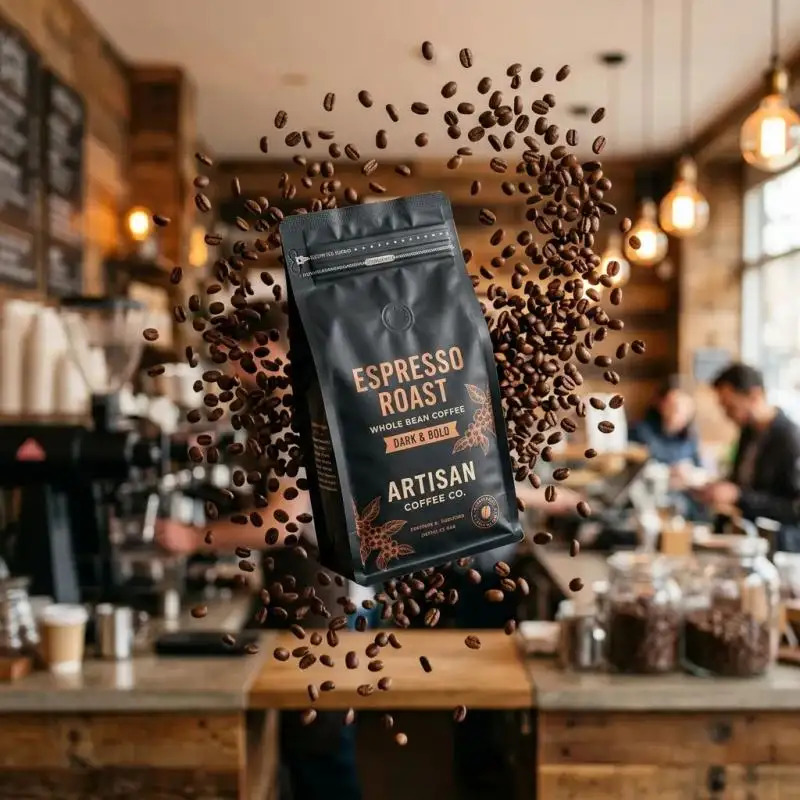
Einzelhandels-Kaffeebeutel
Wachstum des E-Commerce, zusammen mit einem Anstieg von Kaffeeabonnements und internationalem Versand, hat einen Bedarf an Leichtgewicht geschaffen, Verpackungslösungen für Kaffee, die kurierfreundlich sind. Die Beseitigung überschüssiger Verpackungsmaterialien bringt einzelne Kaffeepakete näher an die ideale Größe und verbessert so die Lager- und Transporteffizienz.
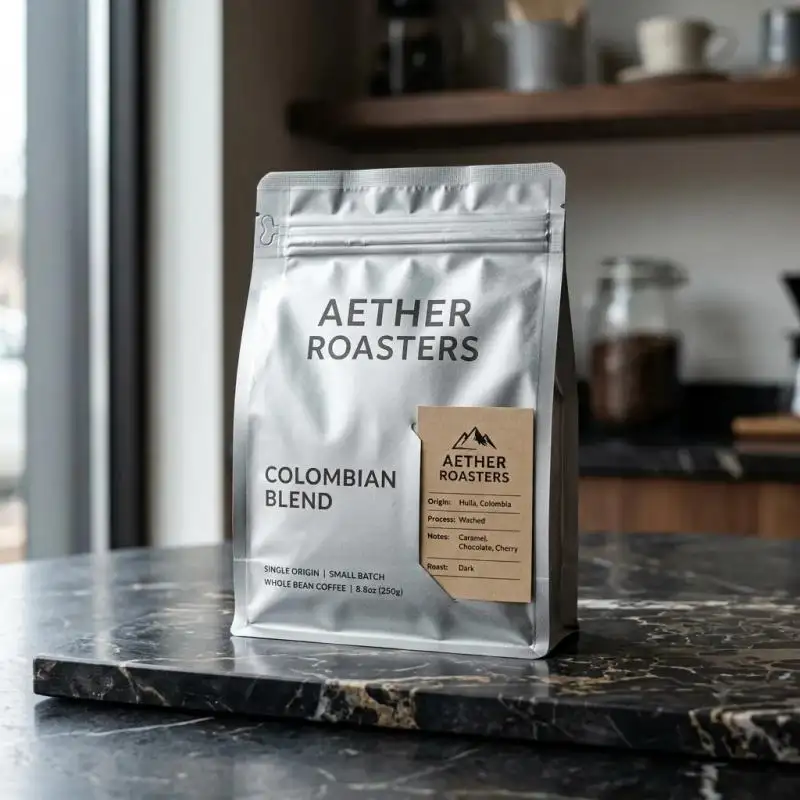
Um leichte Kaffeeverpackungslösungen zu erreichen, sind mehr erforderlich, als nur eine dünnere Verpackungsfolie zu wählen. Es kann zu Produkten führen, die nicht versiegeln, Wird durchstochen, getrennt, und sie schützen Kaffee nicht vor Sauerstoff und Feuchtigkeit.
Der Erfolg im Großhandelsmarkt für Kaffeeverpackungen hängt vom Gleichgewicht der Kompromisse der Verpackungsmaterialien ab, Abmessungen, Volume, Barriereleistung, und die Haltbarkeit des Versands. Käufer sollten bei der Auswahl von Verpackungsoptionen einen horizontalen Ansatz und einen vertikalen Ansatz zur Optimierung von Strukturen und Funktionen verfolgen.
Was macht Wholesale Custom Coffee Bags kurierfreundlich?
Kurierfreundliche Verpackungsdienste Als erstklassiger Hüter für Kaffee, der als Barriere dient und Kaffee vor unnötigen Versand- und Verpackungskosten schützt.. Diese Einschätzung sollte über das Gewicht eines leeren Sacks hinausgehen.
| Bewertungsfaktor | Was Käufer bestätigen sollten |
| Verpackungsgewicht | Das Gewicht jeder leeren Tüte und des Versandkartons |
| Gefülltes Volumen | Überschüssiger Headspace und interne Kapazität |
| Kartonnutzung | Die Gesamtanzahl und Anordnung der Säcke in jedem Karton |
| Dichtungsfestigkeit | Überdauert die Strapazen des Transports |
| Punktbeständigkeit | Schützt gefährdete Bereiche |
| Barriereleistung | Bietet die benötigte Haltbarkeit |
| Schiffsschutz | Füllmaterialien, Innenboxen, und Schutzhüllen |
Leichte Verpackungen bieten die Möglichkeit, überschüssige Materialien zu vermeiden und gleichzeitig das Volumen zu reduzieren. Dies muss die Verpackungsschutzmaßnahmen für Kaffee nicht beeinträchtigen.
Beginnen Sie mit dem Vertriebs- und Lieferkanal
Unsere Wholesale Custom Coffee Bags haben wahrscheinlich unterschiedliche Leistungen im Einzelhandel, Abonnement- und Direktverkaufskanäle für Verbraucher. Aus diesem Grund, Wir sollten den primären Vertriebskanal festlegen, bevor wir uns für das am besten geeignete Beutelformat entscheiden.
| Vertriebskanal | Verpackungspriorität | Typische Herausforderung | Beste Wahl |
| Einzelhandelsregale | Die Tasche unterhält eine aufrechte Ausstellung und einen Branding-Bereich | Der Beutel kann sich verformen oder instabil werden | Flachbodentaschen oder stabile Stehtaschen |
| Einzelne E-Commerce-Bestellungen | Der Beutel nimmt kaum Platz ein und ist widerstandsfähig gegen Kompression | Eckenplatten und Sackschäden | Maße streng kontrolliert und zuverlässige Wärmedichtungen |
| Kaffeeabonnements | Mehrfach-Taschen-Versand | Ungenutzter Platz im Versandkarton | Variable Breite und gleichmäßig lange Säcke |
| Großhandelsvertrieb | Versand von Kartons und Paletten | Stacks können sich während des Transports verschieben | Kompakte und starke äußere Kartons |
| Kaffeeproben | Geringes Gewicht und minimaler Materialverbrauch | Das Versiegeln oder Anbringen von Etiketten wird schwierig | Kleine flache Taschen oder Stehbeutel |
Dieses Modell hilft unseren Kunden, die Wahl eines attraktiven Taschenformats zu vermeiden, das weniger effizient und empfindlicher ist.
Welches Kaffeebeutel-Format nutzt den Platz effizient?
Es gibt etwas anderes "Kosten" und Volumen für jedes Kaffeebeutel-Format gefüllt. Jedes Projekt erfordert wahrscheinlich ein einzigartiges Beutelformat.
| Taschenformat | Materialverwendung | Leere Tütenlagerung | Kartoneffizienz | Kurierleistung | Typische Anwendung |
| Flachbodenbeutel | Mittel bis hoch | Medium | Regelmäßig und leicht zu organisieren | Stable, Aber die Basis ist komplexer | Einzelhandel und Spezialitätenkaffee |
| Stand-up-Beutel | Medium | Hoch | Gut | Flexibel und für einzelne Bestellungen geeignet | E-Commerce und kleine Packungen |
| Seitliche Glocke hinten | Niedrig bis mittel | Hoch | Geeignet für dichte Kartons | Die Form hängt von der Füllung ab | Traditioneller und Massenkaffee |
| Quad-Seal-Beutel | Mittel bis hoch | Medium | Regelmäßig gefüllte Form | Starke Seitenstruktur | Mittlere und große Rucksäcke |
| Flachbeutel | Niedrig | Sehr hoch | Effizient für kleine Rucksäcke | Kanten und Dichtungen benötigen Schutz | Muster und Einwegprodukte |
Flachbodenbeutel sorgen für eine starke Regalpräsentation, während Stehtaschen ein praktisches Gleichgewicht beim Gewicht bieten können, Flexibilität und Kuriereffizienz. Seitengussbeutel können die strukturelle Komplexität verringern, während Quad-Seal-Beutel eine kontrollierte Form für größere Volumina bieten.
Die Entscheidung sollte die Anforderungen an die Anzeige berücksichtigen, Materialfläche, Füllausrüstung, Kartonanordnung und Versandschutz zusammen.
Optimieren Sie die Größen innerhalb desselben Formats
Nach der Auswahl eines Beuteltyps, Käufer sollten verschiedene Versionen desselben Formats vergleichen. Zum Beispiel, Ein Standbeutel kann hergestellt werden für 100 g, 250 g, 500 g oder 1 kg Kaffee, aber eine proportionale Vergrößerung jeder Dimension liefert möglicherweise nicht das effizienteste Ergebnis.
Wichtige Variablen sind:
• Standardbreite versus schmale und hohe Designs
• Taschen mit Reißverschluss versus ohne Reißverschluss
• Ventil- und ventilfreie Strukturen
• Standard versus reduzierter Headspace
• Tiefe versus flache Bodenkeile
• Hochsteifigkeits- versus flexible, leichte Laminate
| Designvariable | Auswirkungen auf die Kuriereffizienz |
| Vergrößerte Taschenbreite | Kann die Anzahl der Beutel auf einem Karton reduzieren |
| Erhöhte Sackhöhe | Kann zu viel Kopfabstand oder Falten führen |
| Tiefe Bottom-Kitzel | Verbessert die Standstabilität, verbraucht aber mehr Material |
| Standardisierte Maße | Vereinfacht das Abonnement und Multi-SKU-Packing |
| Überkapazität | Erhöht das Maßvolumen und den Füllstoffbedarf |
| Übermäßig weiche Struktur | Es kann knittern oder Druck auf das Ventil ausüben |
Die Maße von Wholesale Custom Coffee Bags sollten auf tatsächlicher Kaffeedichte und Füllungstests basieren und nicht direkt von einer gemeinsamen Marktgröße kopiert werden.
Materialvergleich: Gewicht, Barriere und Schiffshaltbarkeit
Materialbezeichnungen allein bestimmen nicht, ob Kaffeeverpackungen leicht oder langlebig sind. Die Endleistung hängt vom kompletten Laminat ab, Gesamtdicke, Dichtmittelschicht und Umwandlungsqualität.
| Materialstruktur | Leichtgewichtspotenzial | Barriereniveau | Steifigkeit | Kurierüberlegung |
| PET/AL/PE | Medium | Hoch | Hoch | Testfaltungen, Ecken und scharfe Falten |
| PET/VMPET/PE | Medium | Mittel bis hoch | Medium | Stabilität der metallisierten Schicht und Dichtung bestätigen |
| Mono-PE | Hoch | Kommt auf die Barriereschicht an | Flexibel | Prüfe den Stichwiderstand und die Steifigkeit des Sacks |
| PE/EVOH/PE | Hoch | Mittel bis hoch | Flexibel | Passen Sie die Struktur an die erforderliche Haltbarkeit an |
| Kraftpapierlaminat | Niedrig bis mittel | Kommt auf die inneren Schichten an | Hoch | Das Papier kann das Gewicht und die Faltenbildung erhöhen |
| Kompostierbares Laminat | Strukturabhängig | Mittel bis hoch | Variable | Bestätigen Sie die Haltbarkeit des Fensters und des Transports |
| PCR-Laminat | Medium | Formulierungsabhängig | Variable | Aussehen prüfen, Versiegelung und Batch-Konsistenz |
Zum Beispiel, Mono-PE kann eine vereinfachte, recycelbare Struktur unterstützen, aber eine sehr weiche Konstruktion kann zusätzliche Dicke oder äußeren Schutz erfordern. Aluminiumlaminate können eine hohe Barriere-Leistung bieten, aber ihre Falten und Ecken müssen bei Transporttests bewertet werden.
Der korrekte Vergleich besteht daher zwischen vollständigen Verpackungsstrukturen, Nicht nur zwischen Plastik- oder Papiernamen.
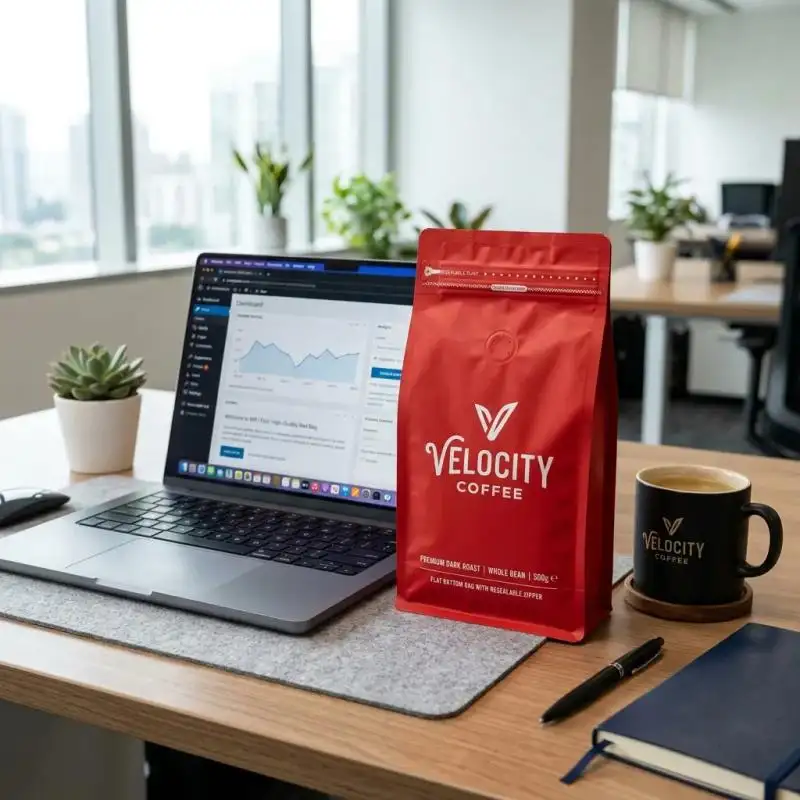
Welche Funktionen bringen einen Mehrwert?
Die Funktionen müssen ein Problem im Zusammenhang mit praktischer Verpackung beheben.
• Entgasungsventil: Gut für Kaffee, der noch warm ist; aber, Die Position des Ventils und ob es dem Stapeldruck standhält, sollten bewertet werden.
• Wiederverschließbarer Reißverschluss: Besser für eine Wiederholung, aber für eine kleinere möglicherweise nicht nötig sein, Einweg-Packung.
• Tear notch: Wenig Wert für das Paket, Aber es ist eine sehr praktische Funktion.
• Transparentes Fenster: Besser für die Sichtbarkeit des Produkts, kann aber Probleme mit der Barriere verursachen.
• Hängloch: Gut zum Abhängen in Läden, aber wenig Nutzen für ein Paket, das geschickt wird.
• Papier und dekorative Schichten: Ästhetischer Wert, kann aber Gewicht und/oder Steifigkeit erhöhen.
• Große Labels: Es beherbergt mehrere SKUs, muss aber mit den übrigen Materialien wegen Kompatibilität und Wiederverwertbarkeit berücksichtigt werden.
Das Entfernen einer Funktion nur zur Gewichtsreduzierung kann die Benutzerfreundlichkeit beeinträchtigen. Gleichermaßen, Das Hinzufügen aller verfügbaren Funktionen kann die Kosten erhöhen, Materialverwendung und Gehäusemaße ohne Leistungssteigerung.
Wie YPAK die Entwicklung leichter Verpackungen unterstützt
YPAK bietet Flachboden-Taschen an, Stehbeutel, Seitenknuffelbeutel und andere Kaffeeverpackungsformen in verschiedenen Maßen, Materialien und Druckkonfigurationen. Dies ermöglicht es Käufern, mehrere Bauwerke innerhalb desselben Verpackungsprojekts zu vergleichen.
Der HP Indigo 25K Digitaldruck ermöglicht es Marken, mit variablen Taschenabmessungen und Grafiken für die Massenproduktion zu experimentieren.
Recycelbar, Kompostierbare und PCR-Materialoptionen können ebenfalls anhand des Verpackungsgewichts bewertet werden, erforderliche Barriereleistung und der vorgesehene Entsorgungsweg. Die Produktionsbetriebe von YPAK in Dongguan und Foshan verwenden BRCGS Food Safety und ISO 22000:2018 Managementsysteme zur Unterstützung der Prozesssteuerung, Chargenerkennung und Rückverfolgbarkeit von Lebensmittelkontaktverpackungen.
Der Entwicklungsprozess kann auch eine Überprüfung der Kunstwerke umfassen, Größenbestätigung, Materialauswahl, Probenahme, Fülltests und endgültige Produktionsgenehmigung.
Schlussfolgerung: Material reduzieren, ohne den Schutz zu verringern
YPAK hilft Ihnen, innovativ zu schaffen, Feuerzeug, Kurierfreundliche Wholesale Custom Coffee Bags. Um uns zu helfen, die beste Taschenoption zu bestimmen, Wir brauchen das Kaffeegewicht, Haltbarkeit, Beabsichtigter Vertriebskanal, und reichlich Informationen zu Ihren Kartonanforderungen. Wir helfen Ihnen, den Rest der Struktur fertigzustellen, nachdem wir den Beutel entworfen und die Befüllung abgeschlossen haben, Siegel, Kompressieren, und Schiffstests. Die Produktion wird erst begonnen, wenn die Tests erfolgreich abgeschlossen sind.
FAQs
F1. Was sind die aktuellen Optionen für leichte Kaffeeverpackungen?
Optionen könnten PET-Laminate oder metallisierte Filme sein, Aluminiumstrukturen, Mono-PE, PE/EVOH/PE, Laminiertes Kraftpapier, Kompostierbare Materialien, oder PCR-enthaltende Strukturen.
F2. Was ist das ideale Kaffeebeutel-Format für den Kurierversand??
Typischerweise, Kurierverkehr bietet eine ideale Passform mit kompakten Stand-up-Taschen, aber Beutel mit Flat Bottom oder Quad Seal bieten bessere Stabilität. Das ideale Format basiert auf dem Kaffeegewicht, Versandkartonmaße, und die Versandmethode.
F3. Ist es immer so, dass dünnere Kaffeebeutel günstiger sind??
Das ist nicht immer der Fall. Dünnere Materialien können zu mehr Einstichen führen, was zu Dichtungsversagen und Produktschäden führen kann. Käufer sollten die Gesamtkosten der Verpackung berücksichtigen, einschließlich Versandkosten und etwaiger Ersatzkosten.
F4. Wie helfen maßgeschneiderte Kaffeebeutel beim Versand??
Maßgefertigte Kaffeebeutel können beim Versandvolumen helfen, indem sie die Tiefe der Guss minimieren, Headspace, und die Gesamtmaße der Tasche, was zu besserer Passung der Versandbox und reduzierten Gewichtskosten führen kann.
F5. Benötigen Wholesale Custom Coffee Bags Entgasungsventile??
Die meisten maßgefertigten Großhandels-Kaffeebeutel benötigen Einweg-Versandventile, aber andere vielleicht nicht, Je nach Verpackung und Versand.
Geschrieben von
ypak.coffee
ypak
DIE YPAK PACKAGING GROUP wurde gegründet in 2011 und gebildet mit 3 Unternehmen mit Sitz in Hongkong, Dongguan und Foshan. Wir sind zu einem der größten Hersteller von Kaffeesäcken in China geworden. Wir verwenden die besten WIPF-Ventile aus der Schweiz, um Ihren Kaffee frisch zu halten.
Halte dich an die Plastikverbotspolitik ein, die in vielen verschiedenen Ländern verhängt wurde, Wir haben nachhaltige Verpackungstüten erforscht und entwickelt, wie RECYCELBARE und KOMPOSTIERBARE Beutel.
Keine Mindestmenge, Farbplatten sind bei unserem HP 25K INDIGO DIGITALDRUCKSERVICE KEINE FARBPLATTEN ERFORDERLICH..
Sie sind herzlich eingeladen, YPAK zu besuchen.
Verwandte Artikel
Zwei Tore auf dem Weg zur EU: Reduktion durch Design und Dokumentationskette für Kaffeeverpackungen

Recycelbare Kaffeetüten: Wie man Frische schützt, ohne die Nachhaltigkeit zu beeinträchtigen

Ihre Marke, Perfekt verpackt: Der YPAK-Leitfaden zur Auswahl eines hochwertigen, maßgefertigten Kaffeebeutels