Aktualisierte 2 Monate vor
Wie man die Verpackung von Kaffeetüten für ein besseres Verbrauchererlebnis optimiert

ypak.coffee
DIE YPAK PACKAGING GROUP wurde gegründet in 2011 und gebildet mit 3 Unternehmen mit Sitz in Hongkong, Dongguan und Foshan. Wir sind zu einem der größten Hersteller von Kaffeesäcken in China geworden. Wir verwenden die besten WIPF-Ventile aus der Schweiz, um Ihren Kaffee frisch zu halten.
Halte dich an die Plastikverbotspolitik ein, die in vielen verschiedenen Ländern verhängt wurde, Wir haben nachhaltige Verpackungstüten erforscht und entwickelt, wie RECYCELBARE und KOMPOSTIERBARE Beutel.
Keine Mindestmenge, Farbplatten sind bei unserem HP 25K INDIGO DIGITALDRUCKSERVICE KEINE FARBPLATTEN ERFORDERLICH..
Sie sind herzlich eingeladen, YPAK zu besuchen.
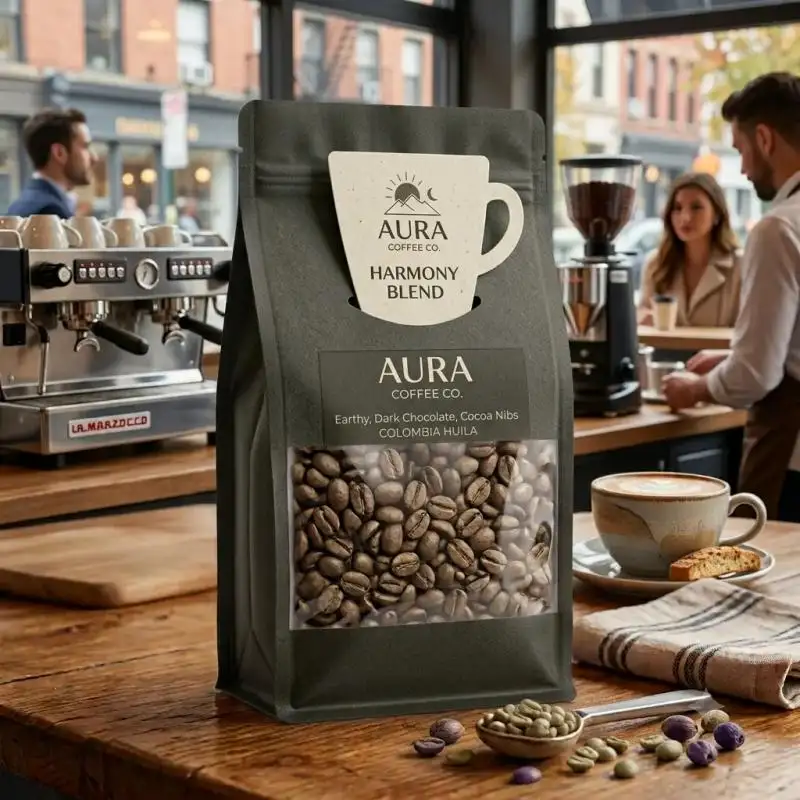
Kaffeebeutelverpackung
Die Verpackung eines Kaffeebeutels schützt den Kaffee und beeinflusst das Verbrauchererlebnis vom Zeitpunkt des Produkts im Regal bis zur Nutzung. Ein Verpackungsdesign sollte leicht zu erkennen sein, Öffnen, für, Neuversiegelung, und Laden. Das Verpackungsformat und -design beeinflussen ebenfalls die Barrierematerialien, Ventile, und Reißverschlüsse, sowie Druck und Fertigstellung.
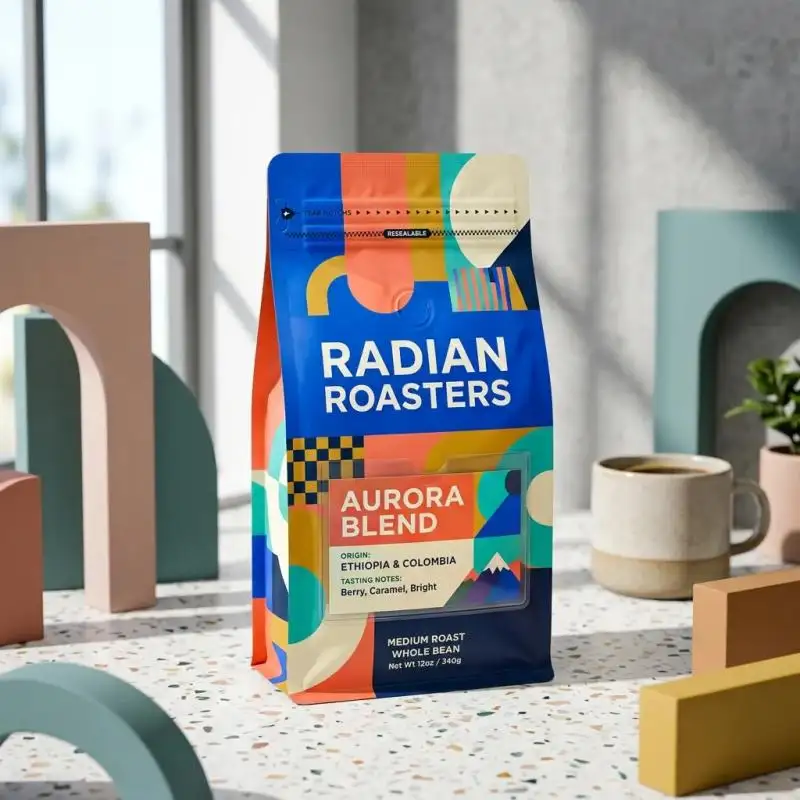
Ein erfolgreiches Verpackungsdesign sollte Frische berücksichtigen, Bequemlichkeit, Nachhaltigkeit, sowie effektive visuelle Kommunikation und Design, sowie die Einfachheit des Design- und Verpackungsprozesses. Kaffeemarken sollten daher verschiedene Beuteltypen vergleichen und bewerten, wie Material- und Funktionsverbesserungen dieselbe Verpackungsstruktur für Kaffeesäcke beeinflussen.
Welche Phasen der Kundenerfahrung mit Kaffeeverpackungen gibt es?
Kundenerlebnisse können in Stufen beschrieben werden. Das Kundenerlebnis bei Kaffeeverpackungen lässt sich in folgende Phasen unterteilen.:
• Regalstufe: Können Kunden die Marke identifizieren?, Ursprung des Kaffees, Röstniveau, und Produkttyp?
• Eröffnungsphase: Ist die Tear Notch leicht zu finden?? Öffnet sich die obere Dichtung sauber??
• Gießphase: Ist die Öffnung groß genug, um sie auszugießen, ohne auszulaufen??
• Frischephase: Hilft das Siegel der Barriere, Aroma und Aroma zu erhalten??
• Speicherphase: Kann das Paket auf dem Ende stehen, Siegel, und in einen Schrank passen?
• Entsorgungsphase: Können Kunden herausfinden, wie sie den Kaffee richtig verpacken??
Gut gestaltete Kaffeebeutelverpackung basiert nicht auf einer einzigen Funktion. Es kombiniert strukturelle Strukturen, visuelle und funktionale Details zu einer vollständigen Benutzererfahrung.
Die Reise des Verbrauchers vom Regal bis zur Endnutzung
1. Produkterkennung
Farb- und Schriftunterschiede sowie die Reihenfolge der Informationen auf der Verpackung können Verbrauchern helfen, Produkte zu unterscheiden. Es müssen erhebliche Anstrengungen unternommen werden, um die Präsentation des Produkts hinter einer durchsichtigen Verpackung mit den Schutzbedürfnissen der Verpackung in Einklang zu bringen.
2. Erste Eröffnung
Die Leichtigkeit des ersten Öffnens wird durch die Lage der Risskerben sowie den Typ und die Position der Dichtung bestimmt.
3. Tägliche Nutzung
Das Design der Verpackung kann die Leichtigkeit des Scoops beeinflussen, Wiegen und Gießen sowie die Stabilität des Beutels für den täglichen Gebrauch.
4. Lagerung und Entsorgung
Frische und Effizienz der Speicherung werden durch die Barriereleistung beeinflusst, Wiederverschließbarkeit und Verpackungsmaße. Entsorgungsanweisungen sollten den Abfall angemessen benennen und den Entsorgungsweg beschreiben.
| Konsumentenphase | Häufiges Problem | Verbesserung der Verpackung |
| Regalstöbern | Produkte sehen sich zu ähnlich aus | Informationshierarchie und Markenbekanntheit |
| Erste Eröffnung | Ungleichmäßiges oder schwieriges Reißen | Tear Notches, Laserbewertung, Geeignete Versiegelung |
| Tägliche Nutzung | Bohnen verschütten sich beim Gießen | Taschendesign mit Stabilität und breiterer Öffnung |
| Wiederholte Speicherung | Der Reißverschluss ist schwer zu schließen | Taschendesign mit breiterem Reißverschluss oder Reißverschlusstasche |
| Entsorgung | Die materiellen Anweisungen sind unklar | Durchsichtige Recycling- oder Entsorgungshinweise |
Welches Kaffeebeutel-Format bietet das beste Erlebnis?
Verschiedene Beuteltypen bieten unterschiedliche Kombinationen von Regalwirkung, Bequemlichkeit und Lagerungsstabilität.
| Taschenformat | Regalausstellung | Bequemlichkeit | Speicherstabilität | Typische Anwendung |
| Flachboden-Beutel | Stark | Hoch | Hoch | Spezialitätenkaffee und Einzelhandel |
| Stand-Up-Tasche | Gut | Hoch | Gut | E-Commerce, Einzelhandel und Samples |
| Seiten-Gusset-Beutel | Moderat | Moderat | Moderat | Traditionelle und größere Rucksäcke |
| Quad Seal Bag | Stark | Gut | Hoch | Premium- und mittelgroße bis große Packs |
| Flacher Beutel | Begrenzt | Moderat | Niedrig | Samples, Gemahlener Kaffee und Einzelportionen |
Flachboden-Sack vs. Stand-Up-Tasche
Die Verpackung von Kaffeebeuteln mit flachem Boden ist für eine optimale Regalpräsentation für hochwertige Produkte konzipiert, aufgrund seines stabilen Bodens und mehrerer druckbarer Panels. Umgekehrt, Stand-Up-Taschen bieten mehr Vielseitigkeit bei der Größenanpassung, und sind für leichtere Produkte geeignet, Muster und E-Commerce-Verkäufe.
Beide Formate können Reißverschlüsse enthalten, Entgasungsventile und Tränenkerben. Aber, Die Öffnungsbreite, Füllprozess und Deckkonstruktion können unterschiedliche Gieß- und Wiederversiegelungsprozesse verursachen.
Seiten-Gusset-Tasche vs. Quad Seal Bag
Seitenklossenbeutel werden häufig für traditionelle Kaffeeverpackungen und größere Füllgewichte verwendet. Quad-Seal-Beutel haben vier verstärkte vertikale Dichtungen, wodurch eine strukturiertere Form und zusätzliche druckbare Seitenteile entstehen.
Die Hauptunterschiede bei den Verbrauchern betreffen die Standstabilität, Öffnungsdesign und ob der Beutel eine praktische wiederverschließbare Funktion enthält.
Wie verschiedene Funktionen denselben Kaffeebeutel verändern
Das Material, Funktionalität, Und das Design eines Kaffeebeutels kann das Erlebnis des Konsumenten mit dem Kaffee im Inneren radikal verändern.
| Konfiguration | Grundoption | Verbesserte Option | Auswirkungen auf das Verbrauchererlebnis |
| Barrierenstruktur | Laminat | Hochbarriere-Struktur | Beibehaltung von Aroma und Produktfrische |
| Schließung | Nur Hitzedichtung | Wiederverschließbarer Reißverschluss | Bequemlichkeit verbessert |
| Entgasung | Kein Ventil | Einwegventil | Beibehaltung von Aroma und Produktfrische |
| Oberflächenfinish | Glänzend | Essen | Vielfalt visueller und taktiler Erfahrungen |
| Eröffnung | Standard-Top-Dichtung | Tear Notch | Die erste Öffnung ist sauberer |
Standard vs. Hochbarriere-Struktur
Standardstrukturen eignen sich gut für lokal verteilte Kaffeebeutel. Hochbarriere-Kaffeebeutel eignen sich am besten für den internationalen Handel, wo Kaffeebeutel möglicherweise lange im Regal stehen müssen, bevor sie verkauft werden können..
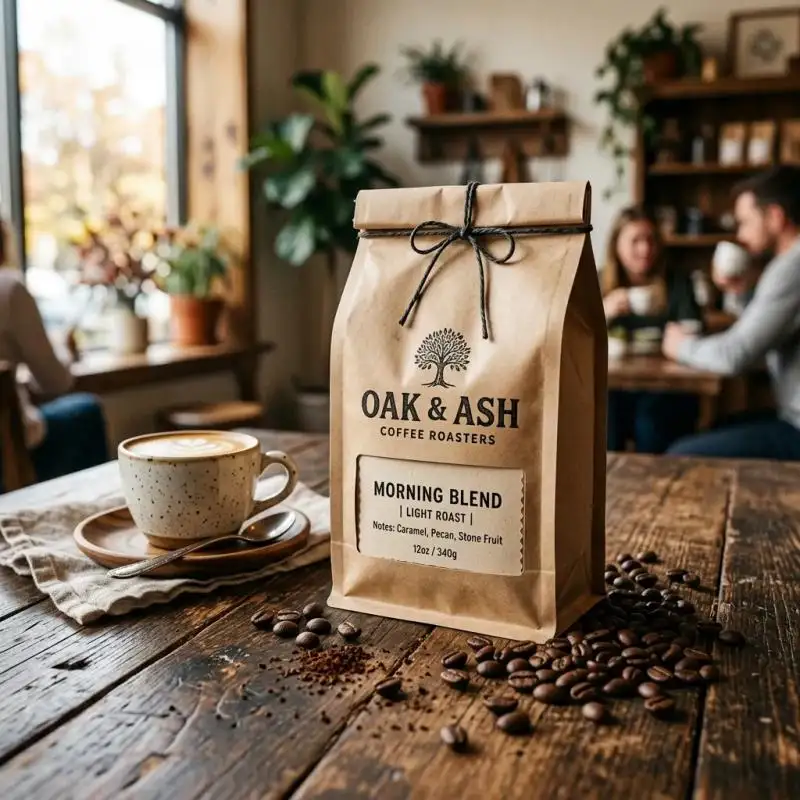
Während der Verbraucher die Barriereschicht nicht sehen kann, Die Leistung der Schicht lässt sich durch den Erhalt des Aromas und die Frische des Produkts erleben..
Kein Reißverschluss vs. Reißverschluss
Heißsiegelbeutel eignen sich gut für Einmal- oder Großgüter. Press-to-Close-Reißverschlüsse eignen sich für viele Einzelhandelsanwendungen gut. Taschenreißverschlüsse bieten noch mehr Komfort. Haken-und-Loop-Verschlüsse können ein hohes Maß an Komfort bieten, erfordern jedoch möglicherweise höhere Kosten und Kompatibilität.
Kein Valve vs. Einweg-Entgasungsventil
Frisch gerösteter Kaffee enthält einen hohen Anteil an aufgenommenem Gas, hauptsächlich CO2. Ein Einweg-Entgasungsventil lässt Gas aus dem Beutel entweichen und begrenzt dabei den Lufteinfluss. Die Spezifikation und Platzierung des Ventils hängt von der Struktur des Beutels ab, Der Füllprozess, und die Kaffeesorte.
Satin vs. Glanz vs. Matt
Glänzende Oberflächen erzielen eine hohe Farbsättigung, zeigen aber Flecken und Reflexionen. Matte Oberflächen ermöglichen einen blendungsarmen Look. Weiche Oberflächen ermöglichen ein differenziertes Aussehen und Gefühl. Leistungs- und Haltbarkeitstests sollten vor Produktionsbeginn für Oberflächen durchgeführt werden.
Materieller Einfluss auf Verbraucherwahrnehmung und Verpackung
Die Wahl eines bestimmten Materials für ein Designkonzept beeinflusst die Funktion der Verpackung und die Art und Weise, wie die Idee vom Design interpretiert wird.
• Kunststofflaminate: Bieten einen ausgezeichneten Barriereschutz und viel Flexibilität bei der Verpackung.
• Kraftpapierlaminate: Haben Sie einen natürlicheren oder handwerklicheren Look, Benötigt aber normalerweise eine innere Barriereschicht.
• Monomaterial-Recyclingverpackung: Verringert die Komplexität der Verpackung, muss aber darauf geprüft werden, wie sie zur lokalen Recyclinginfrastruktur der Verpackung passt und wie lange sie im Regal bleiben muss.
• Kaffeebeutel mit einer kompostierbaren Option: Für ein starkes, nachhaltiges Qualitätsangebot könnte wünschenswert sein, Aber es muss eine Gewissheit für die Lagerbedingungen gegeben werden, ob es abdichtet, und Zugang zu einer Kompostierungsanlage zu haben..
Verbraucher sehen hauptsächlich das äußere Erscheinungsbild und die Umweltaussage. Kaffeemarken müssen außerdem die Barriere überprüfen, Dichtungsfestigkeit, Ventilleistung und Transportwiderstand.
Informationsdesign: Vereinfachung der Kaffeeverpackung
Die Gestaltung der Frontpanels von Kaffeeverpackungen sollte sich darauf konzentrieren, die Marke einzubeziehen, Kaffeename, Geschmacksprofil, Röstdatum, Ursprung, Verarbeitungsverfahren, und Röstniveau. Die Anweisungen zur Brühmethode sollten kurz bleiben. Behauptungen, dass Verpackungen recycelbar sind, Kompostierbar, oder aus recyceltem Material nach dem Verbraucher hergestellt (PCR) sollte die gesamte Verpackung widerspiegeln.
Anstelle von gedruckter Verpackung, QR-Codes könnten Rückverfolgbarkeit für Brauen und Verpackung sowie Anleitungen und Geschichten bieten.
Für Kaffee, YPAK setzt Digitaldruck in flexiblen Mehrprojekt-Verpackungen ein, um kurze Stückzahlen zu ermöglichen.. Traditioneller Druck wäre bevorzugt für Kaffeeverpackungssysteme, die großvolumig und flexibel gestaltet sind.
Um die Sichtbarkeit zu verbessern und Pakete im Regal zu differenzieren., Kontrastdruck und Soft-Touch, matt, oder glänzende Oberflächen werden verwendet. Beschichtungen sowie Folienprägung und Prägung können taktile und visuelle Effekte erzeugen. Packfenster können zwar etwas Licht einsetzen, aber den Inhalt vor Licht schützen.
Kosten, Haltbarkeit, und Nachhaltigkeit und Recyclingfähigkeit des Verpackungsdesigns sollten mit Oberflächen integriert werden, die eine Hauptfunktion erfüllen, die eine effektive Kommunikation von Produkt und Marke fördern.
Lösungen für Probleme mit der Verbrauchererfahrung bei Kaffeebeuteln
| Designproblem | Ursachen | Lösungen |
| Barrierefreiheit für die Tasche öffnen | Falsch geschnittene Risskerben | Sicherstellung der Genauigkeit der Schnittkerben |
| Reißverschluss | Bohnen betreten Reißverschlusstrack | Reißverschlussdesign ändern oder neu positionieren |
| Spill | Bohnen betreten Reißverschlusstrack | Reißverschlussdesign ändern oder neu positionieren |
| Tasche steht nicht | Das Bodendesign ist unzureichend | Verwenden Sie ein flaches Design oder eine Stand-up-Tasche |
| Probleme mit der Dichtungsintegrität | Aroma-Rückgangsbarriere oder -versiegelung | Rüste die Barriere auf und teste die Dichtung |
| Beutelerweiterung | Bohnen betreten Reißverschlusstrack | Reißverschlussdesign ändern oder neu positionieren |
| Zu viel Beutelausdehnung | (Druckaufbau) | Verwenden Sie ein Einwegventil |
| Schlechte Entsorgungsmöglichkeiten | Fehlende Entsorgungsanweisungen | Entsorgungsanweisungen hinzufügen |
Abschließende Worte: Entwerfen Sie Kaffeebeutel mit Blick auf Kunden
Wir schätzen Ihre Taschendesigns, damit wir Ihre Kaffeebeutel aus Barrierematerialien herstellen können, Reißverschlüsse, Ventile, und Entwürfe. Druck, Füllung, Versiegelung, Eröffnung, und die Lagerung wird alle getestet, bevor der Beutel in großen Mengen verkauft werden darf. Kontaktieren Sie uns Mit deinen Momenten!
FAQs
F1. Was ist der Unterschied zwischen Standard- und Hochbarriere-Kaffeeverpackung??
Standard-Verpackungsstrukturen könnten für den Inlandsvertrieb ausreichend sein. Im Gegensatz dazu, Hochbarriere-Verpackungsstrukturen sind schützender und sorgen für längere Haltbarkeit, Internationaler Verkauf, und verlängerte Lagerung im Einzelhandel.
F2. Wie wirkt sich die Verpackung von Kaffeetüten auf das Verbrauchererlebnis aus??
Das Design der Tasche und die Eigenschaften der Verpackung (wie zum Beispiel die Schließung, Die Tear Notch, Die Eröffnung, Reißverschlüsse, und Ventile) beeinflussen die Fähigkeit des Verbrauchers, ihn leicht zu erkennen, Zugang, für, Neuversiegelung, und den Kaffee aufbewahren.
F3. Welches Kaffeebeutel-Format ist das verbraucherfreundlichste?
Die verbraucherfreundlichsten Formate sind flache Beutel und Stehbeutel, da sie Display-Stabilität bieten, Einfacher Zugang, und Wiederverdichtungsoptionen.
F4. Was ist der Zweck des Einweg-Entgasungsventils in Kaffeebeuteln?
Kaffee gibt nach dem Rösten immer noch CO2 ab. Ein Einwegventil lässt das Gas entweichen, aber keine Luft, Das hilft, dass der Beutel seine Form behält und der Kaffee frisch bleibt.
F5. Brauchen Kaffeebeutelverpackungen einen wiederverschließbaren Reißverschluss?
Für Kaffee, der über mehrere Tage getrunken wird, Ein Reißverschluss verbessert die Stauraum erheblich und hilft, die Luft- und Feuchtigkeitsbelastung des Kaffees zu reduzieren.
Geschrieben von
ypak.coffee
ypak
DIE YPAK PACKAGING GROUP wurde gegründet in 2011 und gebildet mit 3 Unternehmen mit Sitz in Hongkong, Dongguan und Foshan. Wir sind zu einem der größten Hersteller von Kaffeesäcken in China geworden. Wir verwenden die besten WIPF-Ventile aus der Schweiz, um Ihren Kaffee frisch zu halten.
Halte dich an die Plastikverbotspolitik ein, die in vielen verschiedenen Ländern verhängt wurde, Wir haben nachhaltige Verpackungstüten erforscht und entwickelt, wie RECYCELBARE und KOMPOSTIERBARE Beutel.
Keine Mindestmenge, Farbplatten sind bei unserem HP 25K INDIGO DIGITALDRUCKSERVICE KEINE FARBPLATTEN ERFORDERLICH..
Sie sind herzlich eingeladen, YPAK zu besuchen.
Verwandte Artikel
Zwei Tore auf dem Weg zur EU: Reduktion durch Design und Dokumentationskette für Kaffeeverpackungen

Recycelbare Kaffeetüten: Wie man Frische schützt, ohne die Nachhaltigkeit zu beeinträchtigen

Ihre Marke, Perfekt verpackt: Der YPAK-Leitfaden zur Auswahl eines hochwertigen, maßgefertigten Kaffeebeutels