Aktualisierte 2 Monate vor
Hersteller von PCR-Kaffeebeuteln: Ausgleich zwischen Barrierenleistung und Recyclinggehalt

ypak.coffee
DIE YPAK PACKAGING GROUP wurde gegründet in 2011 und gebildet mit 3 Unternehmen mit Sitz in Hongkong, Dongguan und Foshan. Wir sind zu einem der größten Hersteller von Kaffeesäcken in China geworden. Wir verwenden die besten WIPF-Ventile aus der Schweiz, um Ihren Kaffee frisch zu halten.
Halte dich an die Plastikverbotspolitik ein, die in vielen verschiedenen Ländern verhängt wurde, Wir haben nachhaltige Verpackungstüten erforscht und entwickelt, wie RECYCELBARE und KOMPOSTIERBARE Beutel.
Keine Mindestmenge, Farbplatten sind bei unserem HP 25K INDIGO DIGITALDRUCKSERVICE KEINE FARBPLATTEN ERFORDERLICH..
Sie sind herzlich eingeladen, YPAK zu besuchen.
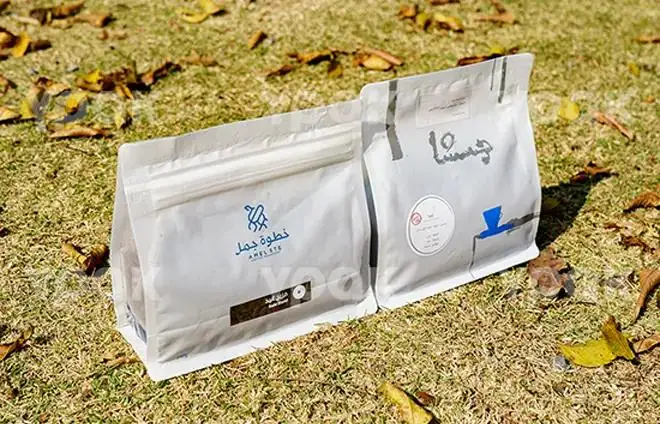
Hersteller von PCR-Kaffeebeuteln
Warum PCR-Inhalte und Barrierenleistungen gemeinsam bewertet werden sollten?
Kaffee ist sauerstoffempfindlich, Feuchtigkeit, Licht, Aromaverlust und Ölwanderung. Eine Erhöhung des PCR-Gehalts kann die Verwendung von frischem Kunststoff verringern, Aber es kann auch die Filmkonsistenz beeinflussen, Farbe, Geruch, Abdichtbarkeit und Festigkeit.
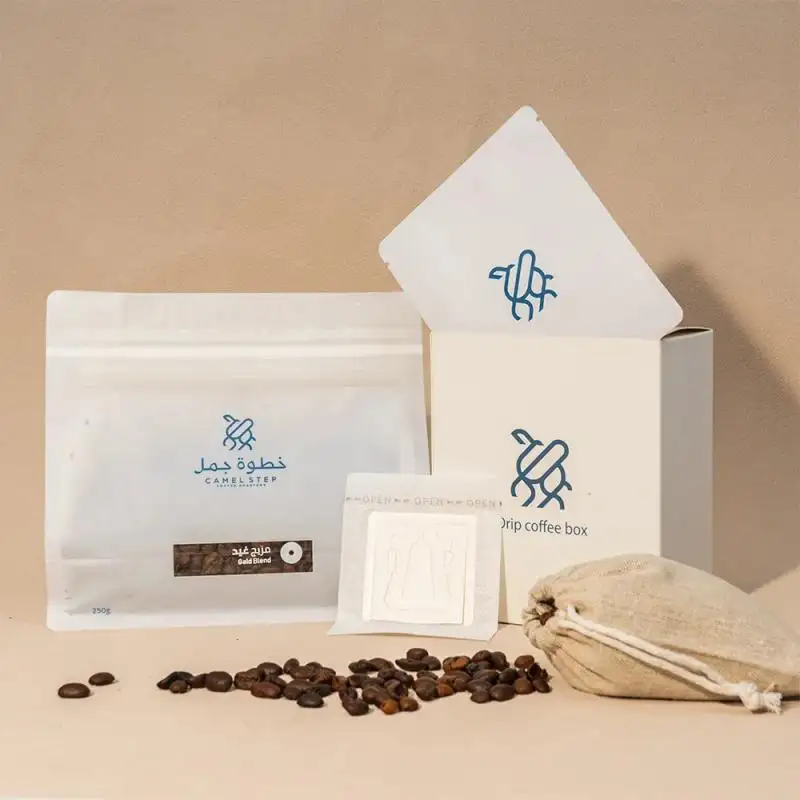
Käufer sollten daher mehr verlangen als, "Welchen Prozentsatz an PCR enthält die Tüte?" Sie sollten bestätigen, wo die PCR-Schicht sitzt, Welche Funktion er erfüllt und wie schützt die gesamte Struktur den Kaffee. Ein qualifizierter Hersteller von PCR-Kaffeebeuteln sollte sowohl die Beschaffung von recycelten Materialien als auch die Hochbarriere-Kaffeeverpackung verstehen.
Was bedeutet PCR-Gehalt bei der Herstellung von Kaffeebeuteln??
PCR-Harz stammt aus Kunststoffprodukten, die verwendet wurden, Gesammelte Sammlungen, gereinigt und neu verarbeitet. PIR stammt stattdessen aus Werksschrott.
Ein "50% PCR-Kaffeebeutel" kann bedeuten, dass eine Schicht enthält 50% PCR oder das PCR, das PCR repräsentiert 50% des gesamten Kunststoffgewichts. Käufer sollten einen Hersteller von PCR-Kaffeebeuteln bitten, die Berechnungsmethode zu definieren, Identifizieren Sie die relevanten Schichten und stellen Sie Rückverfolgbarkeitsdokumente bereit.
| Gegenstand | PCR | PIR | Virgin Plastic |
| Quelle | Abfall nach dem Verbraucher | Fabrikschrott | Neues Harz |
| Stabilität | Braucht engere Kontrolle | Relativ stabil | Meistens am stabilsten |
| Hauptwert | Reduziert den Abfall der Verbraucher | Reduziert Produktionsabfälle | Konsistente Verarbeitung |
| Käuferfokus | Quelle, Geruch, Migration und Inhalt | Quelle und Prozentsatz | Harzqualität und Leistung |
Warum Kaffeebeutel mehr benötigen als nur eine Recyclingangabe
Kaffeeverpackungen müssen mehrere Risiken bewältigen. Die Sauerstoffbarriere beeinflusst Oxidation und Aromaspeicherung. Wasserdampfbeständigkeit begrenzt die Feuchtigkeitsaufnahme. Lichtschutz ist besonders wichtig für dunkle Röstungen und ölige Bohnen.
Die Dichtungsschicht muss während der Befüllung stabil bleiben, Versiegelung, Lagerung und Versand. Ein Einweg-Entgasungsventil muss ebenfalls zum Laminat- und Dichtungsbereich passen..
PCR-Inhalt ist nur ein Parameter. Er kann OTR nicht ersetzen, WVTR, Dichtungsfestigkeits- oder Haltbarkeitsprüfung. Ein verantwortungsvoller Hersteller von PCR-Kaffeebeuteln sollte das komplette Paket bewerten, nicht nur die Behauptung über recycelte Inhalte.
PCR-Kaffeebeutel vs. andere Verpackungswege
Kaffeemarken sollten PCR-Kaffeebeutel horizontal mit anderen nachhaltigen und konventionellen Verpackungswegen vergleichen.
| Verpackungsroute | Hauptvorteil | Hauptbegrenzung | Barriereniveau | Geeignete Verwendung |
| PCR-Laminat | Reduziert den Einsatz von frischem Kunststoff | Die Wiederverwertbarkeit hängt von der gesamten Struktur ab | Mittel-hoch bis hoch | Abwägen von Inhalt und Schutz |
| Virgin-Laminat | Stabile Umwandlung und Barriere | Höherer Einsatz von frischem Kunststoff | Hoch | Lange Haltbarkeit und Export |
| Mono-PE-Beutel | Bessere Kompatibilität mit PE-Recycling | Barriere und Wärmebeständigkeit müssen überprüft werden | Mittel- bis mittelhoch | Märkte mit PE-Sammlung |
| Kompostierbarer Beutel | Unterstützt eine Kompostierungsroute | Kosten, Haltbarkeit und Entsorgungsbedingungen variieren | Strukturabhängig | Märkte mit Kompostierungssystemen |
Keine Route ist universell am besten. PCR reduziert das unberührte Material, Mono-PE unterstützt die Recyclingkompatibilität, und kompostierbare Verpackungen folgen einem anderen Entsorgungsweg. Die Auswahl sollte die Haltbarkeit widerspiegeln, Markt und lokale Infrastruktur.
Wie unterschiedliche PCR-Inhaltsstufen die Leistung beeinflussen
Nach der Auswahl der PCR-Kaffeeverpackung, Käufer sollten verschiedene Mengen an recycelten Inhalten vertikal vergleichen.
| PCR-Inhalt | Potenzieller Nutzen | Hauptherausforderung | Typische Anwendung |
| 10%–30% | Einfachere Verarbeitung und Erscheinungskontrolle | Geringere Reduktion im Virgin-Harz | Erste PCR-Studien |
| 30%–50% | Ausgewogene Inhalte und Leistung | Geruch, Farb- und Konsistenzkontrolle | Einzelhandels- und Abonnementkaffee |
| 50%–70% | Größere Reduktion von Virgin-Material | Anspruchsvollere Dichtungen, Druck und Stärke | Projekte mit etablierten Tests |
| Oben 70% | Behauptung über einen hohen Recyclinggehalt | Lebensmittelkontakt, Versorgung und mechanische Konsistenz | Ausgewählte oder kontaktlose Schichten |
Mehr PCR ist nicht automatisch nachhaltiger. Wenn eine hoch-PCR-Struktur dickere Filme erfordert, Erzeugt mehr Abfall, Verkürzt die Haltbarkeit, Erhöht Transportschäden oder kann nicht ins lokale Recyclingsystem gelangen, Der Gesamtnutzen könnte abnehmen.
Ein geeigneter PCR-Prozentsatz sollte daher auf messbarer Verpackungsleistung basieren und nicht auf der höchstmöglichen Recyclingangabe basieren.
Wo PCR-Material in der Beutelstruktur verwendet werden sollte?
Die Position des PCR-Materials kann den Druck beeinflussen, Barriereleistung, Abdichtungs- und Lebensmittelkontaktanforderungen.
| PCR-Position | Vorteil | Punkt zur Überprüfung |
| Kortex | Reduziert den Virgin-Anteil und kann ein recyceltes Aussehen zeigen | Druckadhäsion, Farbe und Oberflächenkonsistenz |
| Mittlere Schicht | Verbirgt Farbvariation | Laminierungsfestigkeit |
| Innere Schicht | Erhöht den gesamten PCR-Anteil | Lebensmittelkontakt- und Wärmedichtungsleistung |
| Kontaktlose Komponente | Geringeres Entwicklungsrisiko | Kleinerer Beitrag zum Gesamtinhalt |
Käufer sollten komplette Strukturen und nicht die Namen von Harz vergleichen. Die Ergebnisse variieren je nach Barriereschicht, Klebstoff, Versiegelung und Filmorientierung.
Die Verwendung von PCR in der äußeren oder mittleren Schicht kann einen praktischeren Ausgangspunkt für Marken bieten, die recycelten Inhalt wünschen, ohne die direkte Kontaktschicht sofort zu verändern.
Der Einfluss von Beuteldesigns auf die Leistung von PCR-Verpackungen
Verschiedene Beuteldesigns beeinflussen das Verhalten der Materialien in Bezug auf den Versiegelungsprozess und die Verteilung der Spannungen.
• Flachboden-Taschen: Obwohl diese Taschen auch als attraktive Präsentation im Regal genutzt werden können, Das Abdichten ist problematisch, da diese Beutel mehrere Falten haben.
• Stehbeutel: Diese Taschen sind einfach zu gestalten und eignen sich gut für kleine Einzelhandels- oder E-Commerce-Taschen.
• Seiten-Gusset-Beutel: Diese Taschen können für größere Mengen verwendet werden, indem die Seitennaht und die Bodenfestigkeit bewertet werden.
• Quad-Siegelbeutel: Gute Stabilität im Einzelhandel; aber, Schwieriger zu konvertieren.
Die gleiche PCR-Struktur kann je nach Format unterschiedlich abschneiden. Ein Hersteller von PCR-Kaffeebeuteln sollte daher den Beuteltyp bestätigen, bevor er die Materialspezifikation finalisiert.
Barrierenstruktur-Optionen für PCR-Kaffeebeutel
Einige Strukturen sind für die Entwicklung von Kaffeesäcken mit recyceltem Inhalt verfügbar..
1. PCR-Außenschicht, Hochbarriere-Mittelschicht und lebensmitteltaugliche Innenschicht
Diese Struktur ist flexibel genug, um dem Einzelhandel gerecht zu werden, Export, und sogar einige Anwendungen mit längerer Haltbarkeit. Jede Schicht trägt entweder zum Schutz oder zur Verarbeitung bei..
2. PCR-PE und Hochbarrieren-PE-Struktur
Diese Option ermöglicht einen stärker PE-kompatiblen Materialweg. Aber, Barrierebeschichtungen, Versiegelungsreichweiten und Recyclingbehauptungen müssen weiterhin für den Zielmarkt überprüft werden.
3. PCR-Außenschicht mit VMPET oder Aluminium
VMPET und Aluminium können starken Schutz vor Sauerstoff und Licht bieten. Aber, Das Endpaket ist normalerweise eine mehrschichtige Struktur und kein Monomaterialbeutel.
4. PCR in Nicht-Nahrungskontakt-Schichten
Dieser Ansatz verringert das Entwicklungsrisiko und eignet sich für Marken, die erstmals PCR-Kaffeeverpackungen einführen,.
Ein fähiger Hersteller von PCR-Kaffeebeuteln sollte mit dem Kaffeetyp beginnen, Haltbarkeitsziel und Verbreitungsweg, bevor das PCR-Level und die Barrierenstruktur definiert werden.
Welche Tests sollten Käufer vor der Massenproduktion verlangen?
Die folgenden Tests sollten von den Käufern angefordert werden, bevor sie die Genehmigung zur Serienproduktion erteilen.
• OTR-Test: Bestimmt die Sauerstoffübertragungsraten für die Verpackung.
• WVTR-Test: Bestimmt die Wasserdampfübertragungsraten für die Verpackung.
• Migrationstest: Bewertung der Eignung der Verpackung für Lebensmittelkontakt.
• Geruchstest: Erkennt mögliche Geruchsemissionen durch die Verwendung von recycelten Harzen.
• Hitzedichtungstest: Bestimmt die Festigkeit und den Temperaturbereich einer Dichtung.
• Abwurf- und Kompressionstest: Bestimmt die Robustheit der Verpackung für den Versand.
• Ventiltest: Bestimmt die Integrität der umgebenden Dichtungen und die Leistung der Ventilierung zur Entgasung.
• Durchführung von Studien: Bewertung der Kapazität, Aussehen und Dichtungsleistung.
• Batch-Konsistenztest: Bestimmt die Variation im Post-Consumer-Recycling (PCR) Harze.
Genehmigen Sie nicht nur eine leere Tüte. Probier mit dem echten Kaffee, Befüllung von Gewichts- und Dichtungsanlagen vor der Skalierung.
YPAK: Ein vertrauenswürdiger Hersteller von PCR-Kaffeeverpackungen
YPAK ist ein Hersteller von chinesischen PCR-Kaffeebeuteln. Strukturen können nach Kaffeeart verglichen werden, Haltbarkeit, Taschenformat und Markt.
YPAK unterstützt flache Beutel, Stehtaschen und Seitengussbeutel. Während Barrier Films, Reißverschlüsse, PCR-Schichten, Dichtstoffe, und Einwegventile mögen wie viele einzelne Verpackungskomponenten erscheinen, Sie können tatsächlich als ein vollständiges Verpackungssystem betrachtet werden.
Kurzauflage und variabler Druck, Zum Beispiel, kann mit HP Indigo Digitaldruck kombiniert werden, um ein Verpackungssystem für mehrere SKUs und Markttests zu schaffen. Qualitätsmanagement für Lebensmittelverpackungssysteme kann durch BRCGS und ISO erreicht werden 22000 Systeme, während WIPF-Ventile eine kontrollierte Gasfreigabe für frisch gerösteten Kaffee ermöglichen..
Vor der Durchführung einer groß angelegten Produktionsserie, Die endgültigen Spezifikationen müssen mittels Dokumentation für Materialien validiert werden, Physikalische Proben, Füllversuche, und Prüfung der Wärmedichtungen.
Abschließende Worte
Equiliberieren Sie den recycelten Inhalt mit nachgewiesenem Kaffeeschutz. Teile deine Kaffeesorte, Zielhaltbarkeit, Beutelformat und bevorzugter PCR-Prozentsatz mit YPAK. Vergleich geeigneter Strukturen, Testbarriere und Dichtungsleistung, und die endgültige Spezifikation vor der Massenproduktion zu bestätigen.
FAQs
F1. Was ist PCR-Material?, Und wie wird es in Kaffeeverpackungen verwendet??
PCR steht für post-consumer recyviertes Material. PCR ist Kunststoff, der aus einem gebrauchten Konsumgut zurückgewonnen wird, gereinigt, und wurde für die Verwendung in neue Verpackungen zu Harz umgeformt.
F2. Sind PCR-Kaffeebeutel sicher für Lebensmittel.?
Sie könnten sicher für die Lebensmittelnutzung sein, aber es hängt vom spezifischen PCR-Grad ab, wo es in das Laminat gelegt wird, und die Regelungen für die Nahrungskontaktwanderung wurden festgelegt.
F3. Wie viel Prozent PCR ist in Kaffeebeuteln akzeptabel?
Die meisten Marken verwenden PCR bei Konzentrationen von 10% An 30% Als Ausgangspunkte, während 30% An 50% PCR-Inhalte können das Erscheinungsbild und die Funktionalität der Verpackung verbessern und gleichzeitig ein gutes Niveau an recyceltem Inhalt erhalten.
F4. Führt der Einsatz von PCR-Materialien zu einem Verlust der Barriereleistung??
Sie behindert die Leistung der Barriere nicht grundsätzlich. Das Laminat als Ganzes und die PCR-Schicht, Barrierefilm, Klebstoff, und Dichtmittel zusammen mit ihrer Dicke beeinflussen auch die Barriereleistung.
F5. In welchen Schichten von Kaffeebeuteln können PCR-Materialien verwendet werden.?
Je nach Sicherheits- und Leistungskriterien, PCR-Materialien können in der äußeren Schicht verwendet werden, Mittlere Schicht, und die innere Versiegelungsschicht, sowie andere nicht-lebensmittelnahe Legaten.
Geschrieben von
ypak.coffee
ypak
DIE YPAK PACKAGING GROUP wurde gegründet in 2011 und gebildet mit 3 Unternehmen mit Sitz in Hongkong, Dongguan und Foshan. Wir sind zu einem der größten Hersteller von Kaffeesäcken in China geworden. Wir verwenden die besten WIPF-Ventile aus der Schweiz, um Ihren Kaffee frisch zu halten.
Halte dich an die Plastikverbotspolitik ein, die in vielen verschiedenen Ländern verhängt wurde, Wir haben nachhaltige Verpackungstüten erforscht und entwickelt, wie RECYCELBARE und KOMPOSTIERBARE Beutel.
Keine Mindestmenge, Farbplatten sind bei unserem HP 25K INDIGO DIGITALDRUCKSERVICE KEINE FARBPLATTEN ERFORDERLICH..
Sie sind herzlich eingeladen, YPAK zu besuchen.
Verwandte Artikel
Zwei Tore auf dem Weg zur EU: Reduktion durch Design und Dokumentationskette für Kaffeeverpackungen

Recycelbare Kaffeetüten: Wie man Frische schützt, ohne die Nachhaltigkeit zu beeinträchtigen

Ihre Marke, Perfekt verpackt: Der YPAK-Leitfaden zur Auswahl eines hochwertigen, maßgefertigten Kaffeebeutels